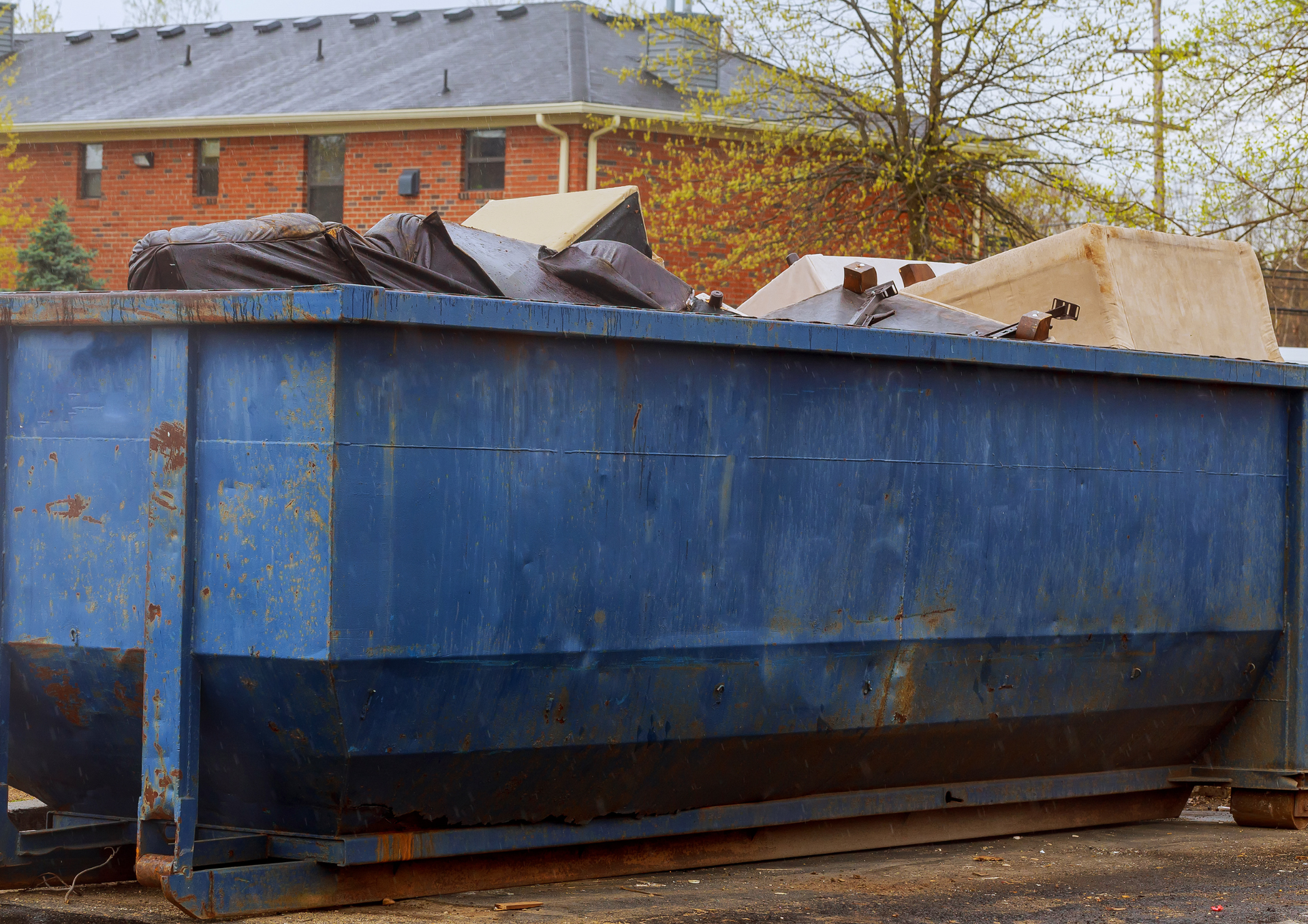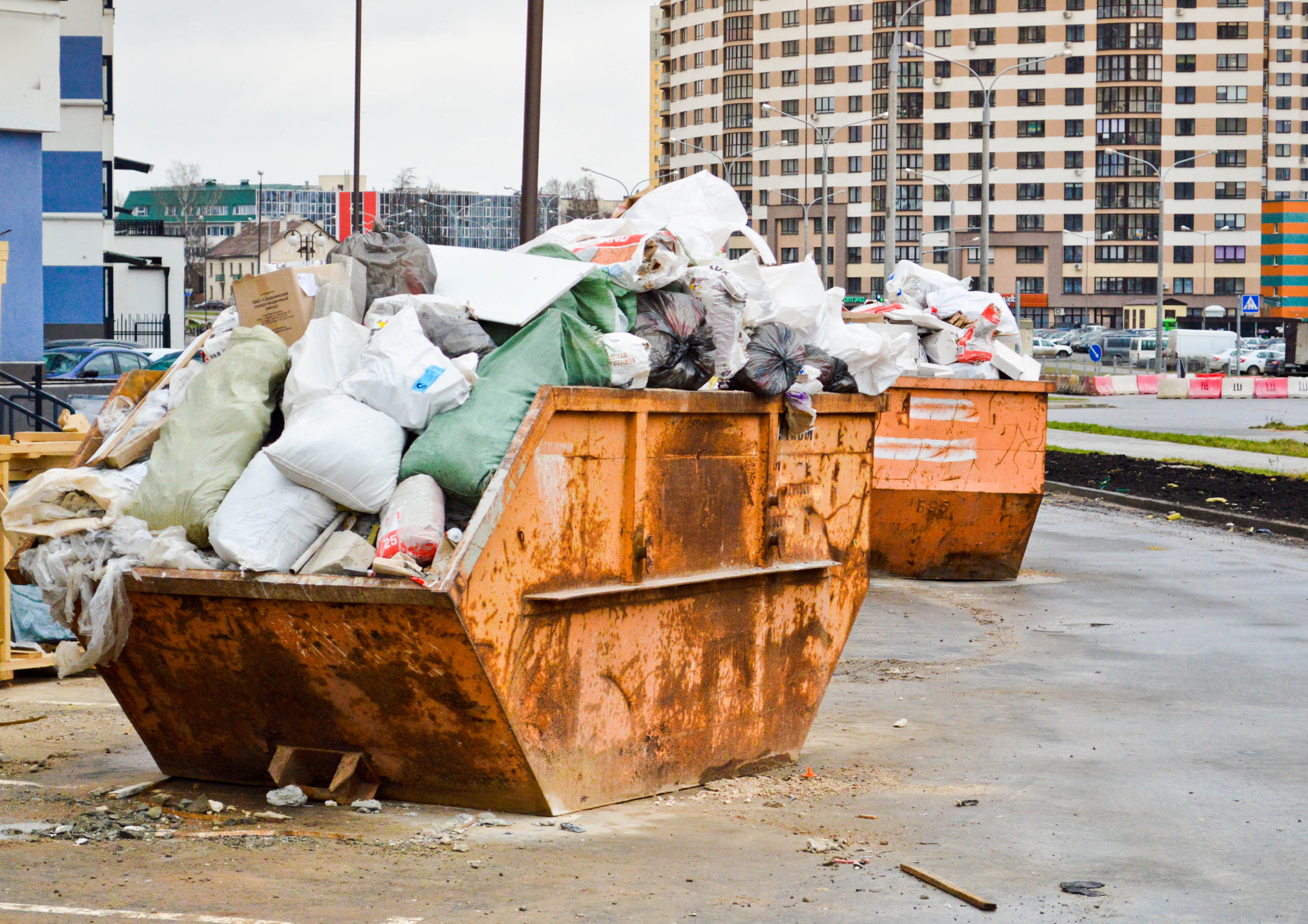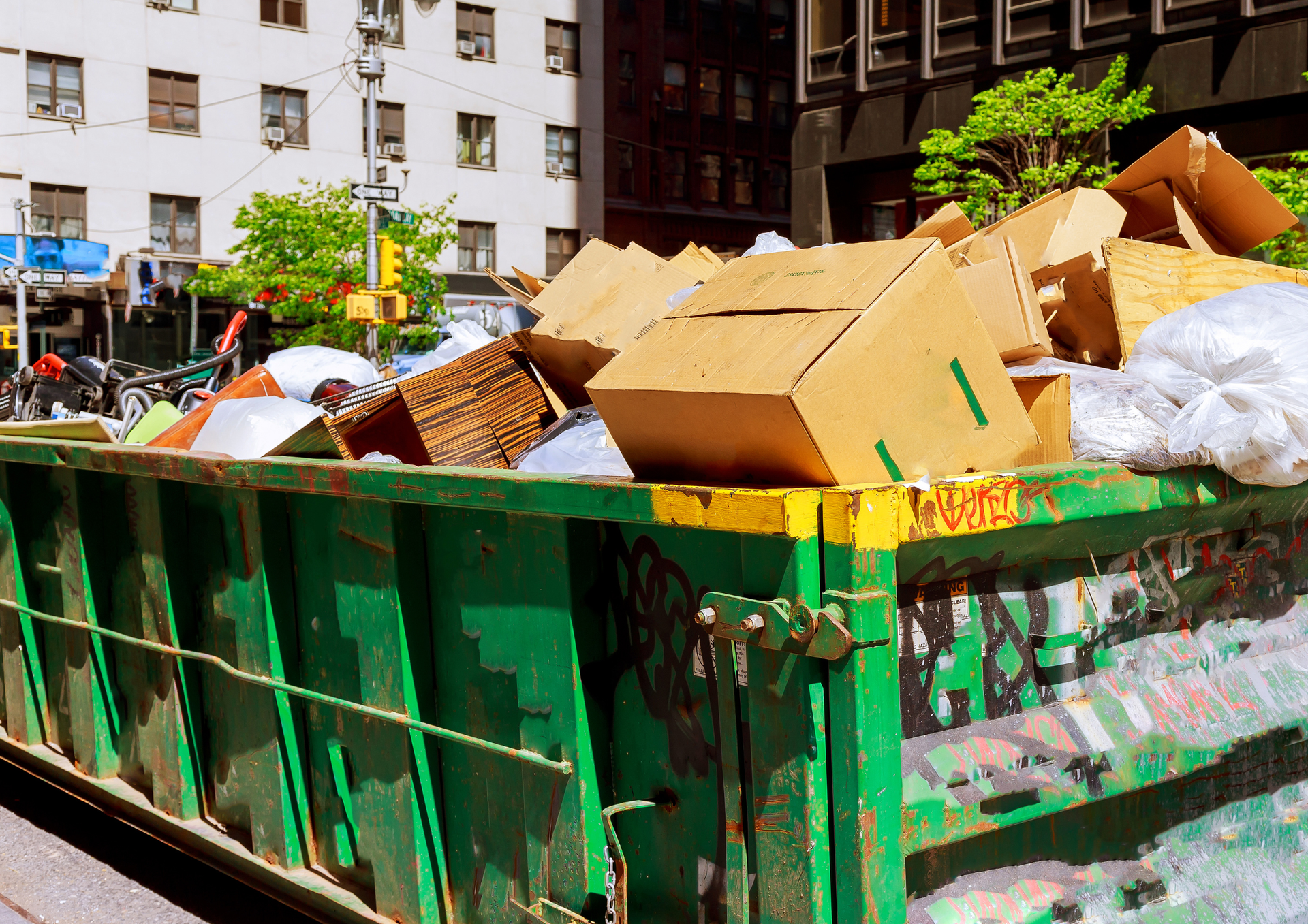

Skips for Structural Alteration Waste and Building Debris Removal
Structural alteration projects can transform residential and commercial properties, creating improved layouts, enhanced functionality, and increased property value. Whether renovating a home, extending a commercial building, removing internal walls, or upgrading ageing structures, these projects often generate significant volumes of waste.
Using skips throughout the construction process provides a practical way to manage debris efficiently, helping to keep sites organised and projects running smoothly. Building materials such as bricks, concrete, plasterboard, timber, tiles, insulation, and general construction debris can quickly accumulate, creating challenges for property owners, contractors, and site managers.
Effective waste management helps maintain organisation, improve efficiency, and support safer working conditions during every stage of a project. For homeowners, landlords, surveyors, and local authorities managing residential and commercial properties, selecting suitable waste removal solutions is an important aspect of successful project planning. Proper disposal arrangements help minimise disruption while keeping work areas clear and accessible.
Understanding Waste Generated During Structural Alterations
Structural alteration work often involves more than simply removing or replacing building components. Projects may require demolition of existing features, removal of outdated materials, excavation work, and replacement of structural elements. As a result, large quantities of waste can be produced over a relatively short period.
Common waste materials generated during structural projects include:
- Bricks and masonry
- Concrete and hardcore
- Timber and wood products
- Plasterboard and insulation
- Roofing materials
- Metal fixtures and fittings
- Packaging materials
- General construction debris
The type and volume of waste produced will vary depending on the scale of the project. Minor alterations may create manageable quantities of debris, while larger refurbishments and extensions can generate substantial amounts requiring ongoing waste collection throughout the build.
Without an organised disposal strategy, waste can quickly accumulate and affect site productivity. Materials left scattered around work areas may restrict access, slow construction progress, and create unnecessary obstacles for workers and contractors.
Many project managers choose skips because they provide a practical and efficient method of containing waste as it is generated, helping maintain cleaner and more organised working environments.
The Importance of Efficient Waste Management During Building Projects
Successful structural alteration projects rely heavily on planning and organisation. Waste management should be considered from the earliest stages of project preparation rather than being treated as an afterthought.
Efficient waste handling offers several advantages throughout a project:
Improved Site Organisation
Construction materials, tools, and equipment require adequate space to allow tradespeople to work effectively. Designated waste containers help prevent debris from accumulating in active work zones.
Better Workflow Management
Removing waste regularly allows contractors to focus on construction tasks rather than continually relocating debris around the site.
Enhanced Property Accessibility
For occupied buildings undergoing renovation, maintaining clear access routes helps minimise disruption for occupants, visitors, and neighbouring properties.
Easier Project Coordination
Structured waste removal arrangements make it easier to coordinate deliveries, contractor schedules, and ongoing construction activities. Waste management becomes particularly important during projects involving multiple trades working simultaneously. Carpenters, builders, electricians, plumbers, and roofers may all generate different types of waste throughout the construction programme.
Using skip's on-site provides a central location for disposing of materials efficiently, helping to keep work areas organised and reducing the build-up of debris as the project progresses. A central collection point allows materials to be disposed of efficiently while supporting smoother project progression.
Choosing Suitable Waste Solutions for Structural Alteration Work
Every structural project presents unique requirements. Factors such as project duration, waste volume, property access, and available space all influence the most suitable disposal approach.
Before arranging waste removal, it is useful to evaluate:
- The scale of the alteration work
- Expected waste volumes
- Types of construction materials being removed
- Site accessibility
- Project timeline
- Local placement requirements
Smaller residential renovations may require modest waste capacity, while commercial refurbishments or major structural modifications often demand larger solutions capable of handling substantial quantities of debris. Property owners planning extensive building works often decide to order a skip early in the project to ensure waste can be managed efficiently from the outset.
Early planning helps avoid delays and reduces the likelihood of waste accumulation causing disruption later in the construction programme. Different waste streams may also require separate handling arrangements depending on project requirements and disposal regulations. Proper planning helps ensure materials are managed appropriately throughout the project lifecycle.
Supporting Residential and Commercial Property Improvements
Structural alteration projects occur across a wide range of property types. From residential homes and apartment developments to offices, retail premises, educational facilities, and public-sector buildings, effective waste management remains a consistent requirement.
Residential projects commonly include:
- Internal layout changes
- Loft conversions
- Property extensions
- Garage conversions
- Kitchen renovations
- Structural repairs
Commercial projects may involve:
- Office refurbishments
- Retail unit alterations
- Industrial facility upgrades
- Educational building improvements
- Public infrastructure projects
Regardless of project type, maintaining efficient waste removal processes helps support productivity and site organisation. Modern booking systems have also simplified project planning.
Many customers now choose to arrange services through platforms that allow them to skip online, making it easier to schedule collections and organise waste management alongside other project requirements.
As construction projects become increasingly complex, convenient planning tools help property owners and contractors coordinate multiple aspects of a build more effectively.
Skip Hire Loughborough is committed to providing dependable waste management solutions for residential and commercial projects of all sizes. We understand the challenges associated with structural alteration work and aim to make waste disposal straightforward, efficient, and convenient.
Our website focuses on clear information, reliable service, and practical solutions designed to support homeowners, landlords, surveyors, contractors, and local authorities throughout their projects. Whether managing renovation debris, construction materials, or general building waste, we help customers choose suitable skips that support efficient waste management and successful project completion.
With a customer-focused approach and commitment to professional service, we aim to provide practical waste management support that helps keep projects organised from start to finish.
New Update on X:
Skips for safe and efficient construction waste removal.
You might also like